
 Русский
 English
 Español
When to view homes in Ukraine: a seasonal viewing plan
Planning a trip to choose a home in Ukraine: the climate around Kyiv, seasonal questions about a building’s condition, viewing arrangements and a checklist.
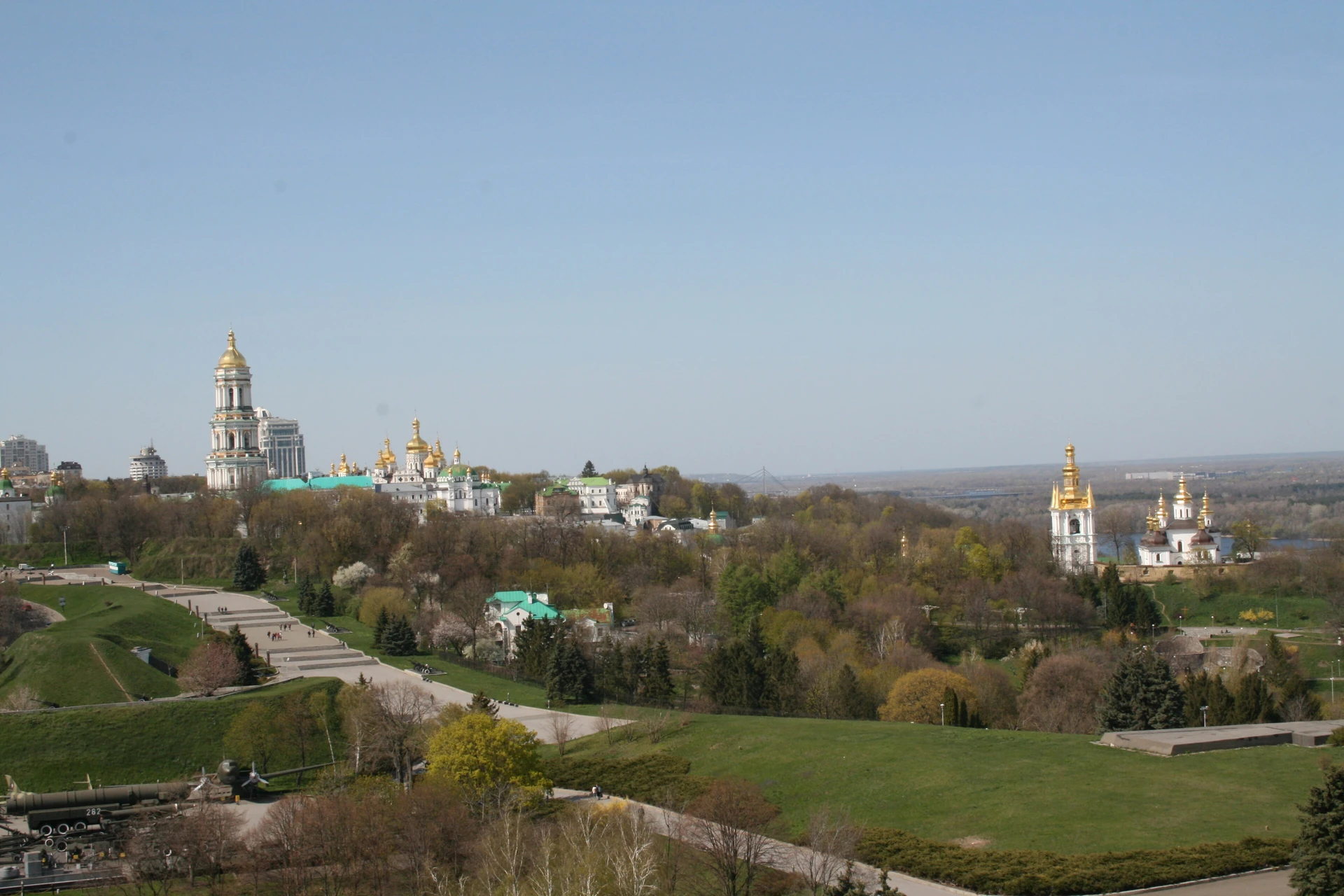
Ukraine
More than a place on the map.
From the first interest in the country,
before choosing a place to live.
Population and economy
Population, dynamics of economy and consumer prices. Indicators refer to specified years; these are statistics of a country or territory, not an estimate of property returns.
Analytics by directionSources
- World Bank: Population (2025) 2026-11-09
- World Bank: Growth in Real GDP (2025) 2026-11-09
- World Bank: Inflation (2025) 2026-11-09
- World Bank: GDP per capita (2025) 2026-11-09
Climate · Kiev
Landmark for the seasons for the city of Kiev. Average monthly temperatures and precipitation according to NASA POWER.

Winter
December to February ≈ −6…−4 °C Cold · moderate rainfallAverage precipitation: 1.4…1.6 mm/day.

Spring
March-May ≈ +1…+16 °C Cool · moderate rainfallAverage precipitation: 1.4…2.1 mm/day.

Summer
June-August ≈ +19…+22 °C Warm · moderate rainfallAverage precipitation: 1.6…2.4 mm/day.
Autumn
September to November ≈ +2…+15 °C Cool · moderate rainfallAverage precipitation: 1.5…1.6 mm/day.
Ranges of average monthly values for 2001-2025 years: temperature takes into account day and night, precipitation is indicated in mm / day. This is a climate benchmark for a city area, not a forecast or an indicator for the whole country. The NASA POWER data is averaged over a cell around 0,5° × 0,625°; mountains, coasts and other areas may differ.
Sources
Places and heritage
Several cultural and natural sites from the UNESCO World Heritage List. The links open the official description of each place.
Articles on the topicSources
- UNESCO: Kyiv: Saint-Sofia Cathedral and Related Monastic Buildings, Kyiv-Pechersk Lavra 2026-11-09
- UNESCO: L'viv – the Ensemble of the Historic Centre 2026-11-09
- UNESCO: Struve Geodetic Arc 2026-11-09
UNESCO World Heritage Centre / UNESCO DataHub · CC BY-SA 4.0 · Dataset
A property shortlist in Ukraine
Leave your phone number. We will discuss your plans and prepare a personal shortlist.
A trip to choose a home in Ukraine should be tied to what you want to check in the apartment. Different conditions are useful for heating, cooling and the condition of the house in the rainy period. Below is a climate-referenced preparation plan for the city of Kiev, rather than a promise of the same weather in all areas.
What months to focus on: Kiev
In the NASA POWER climate range for 2001–2025, the warmest average month for this point is July (+21.8°C), the coolest is January (-6.2°C). The maximum average amount of precipitation falls on the month of June: 2.43 mm / day; the minimum - March: 1.36 mm / day.[4]
This is a guide for preparation, not a forecast for booked dates. Average temperature includes day and night values; monthly average precipitation does not show the number of rainy days. Closer to the trip, check the current forecast and coordinate access to the facilities.
Seasons and viewing priorities
Temperature rounded to 0.1°C; precipitation to 0.1 mm/day. The final column is questions for inspection, not a conclusion about the state of the property.
| Period | Average monthly temperatures | Average monthly precipitation | What to check during the viewing |
|---|---|---|---|
| Winter · December - February | -6.2…-3.8 °C | 1.4...1.6 mm/day | heating, windows and traces of condensation; roof, balcony and serviced common areas |
| Spring · March - May | 1.2…15.6 °C | 1.4...2.1 mm/day | heating, windows and traces of condensation; roof, balcony and serviced common areas |
| Summer · June - August | 19.4…21.8 °C | 1.6...2.4 mm/day | ventilation, lighting and condition of windows; roof, balcony and serviced common areas |
| Autumn · September - November | 1.9…15.2 °C | 1.5...1.6 mm/day | heating, windows and traces of condensation; roof, balcony and serviced common areas |
Ranges of average monthly values for 2001-2025: temperature takes into account day and night, precipitation is indicated in mm / day. This is a climate benchmark for a city area, not a forecast or an indicator for the whole country. The NASA POWER data is averaged over a cell around 0.5° × 0.625°; mountains, coasts and other areas may differ.[4] [5]
How to choose dates for your task
These climate figures refer only to Kiev. Choose your dates according to your viewing priorities and appointment availability.
| The challenge | Climate benchmark | What to prepare in advance |
|---|---|---|
| Year-round accommodation | Compare the coolest average month – January, -6.2°C. | Ask to see the heating in operation and the actual costs for the colder months. If you visit at another time of year, request the records and a separate system check. |
| Heat and cooling-system performance | Compare the trip with the warmest average month: July, +21.8°C. | Check which rooms the system cools, the condition of the equipment, noise levels and running costs. An average monthly temperature does not replace a test under load. |
| Precipitation and home condition | Wetter average month in this row: June, 2.43 mm/day. | Inspect ceilings, exterior walls, balconies and common areas. Ask for a history of rectified leaks; average precipitation does not determine the risk of flooding the site. |

What to request before arrival
- Exact address and confirmation of access time: apartment, common areas, parking and additional premises, if included in the offer.
- A floor plan and equipment list to compare what you see with the advertised specifications.
- Seasonal running costs and the latest information about work on the building. Compare the previous occupant’s bills with how they used the home.
- Contact details for someone who can answer questions about the building’s condition and, if needed, arrangements for a separate specialist inspection.
Two viewings answer different questions
During the first viewing, assess the property itself: light, ventilation, noise, odors, windows, equipment and signs of moisture. During the second, check your daily routes from the address and access to the services you need. Morning and evening visits reveal different conditions but do not replace a building inspection.
- Record questions separately from answers. Marking something as “not checked” is more accurate than approving it based on a photograph.
- Photograph important building details and defects with the owner’s permission. Label each image with the date and room to avoid mixing up different properties.
- Record which information is supported by documents, which was provided by the seller and which still needs a specialist’s assessment.
- After each viewing, update the same comparison table: address, documented floor area, condition, annual costs and unresolved questions.
Exploring the area: UNESCO landmarks
To explore the area, you could visit one of the listed heritage sites below. First, check its location relative to your property viewings: the sites may be in different parts of the country, so this is not a ready-made one-day itinerary.
- Kyiv: Saint-Sophia Cathedral and Related Monastic Buildings, Kyiv-Pechersk Lavra — on the World Heritage List since 1990.[1]
- L'viv – the Ensemble of the Historic Centre — on the World Heritage List since 1998.[2]
- Struve Geodetic Arc — on the World Heritage List since 2005.[3]
Assess the residential area separately from your impressions of its attractions. For your own home, consider your daily routes; for a rental property, obtain separate evidence of demand and confirm whether the intended rental model is permitted. Travel times and visitor numbers have not been assessed here.
Names and years of place inclusion: UNESCO World Heritage Centre / UNESCO DataHub, CC BY-SA 4.0.[6]
What to take away from the trip
A successful trip should leave you with a shortlist of comparable properties, clear advantages and costs, and a record of unanswered questions. Limited vacation time is no reason to skip document checks or a building inspection. Review transaction terms, taxes and eligibility separately from your travel plans.
Addresses for viewing can be found in catalogue: Ukraine. More detailed indicators and monthly climate series are collected in Review of the economy, climate and location.
Sources and periods of data
- UNESCO: Kyiv: Saint-Sofia Cathedral and Related Monastic Buildings, Kyiv-Pechersk Lavra Accessed: 2026-11-09
- UNESCO: L'viv – the Ensemble of the Historic Centre Accessed: 2026-11-09
- UNESCO: Struve Geodetic Arc Accessed: 2026-11-09
- NASA POWER: Kyiv, climate data 2001-2025 Data period: 2001–2025 · Accessed: 2026-11-09
- NASA POWER: sources and resolution of climate data Accessed: 2026-11-09
- UNESCO World Heritage Centre / UNESCO DataHub - set whc001, CC BY-SA 4.0 Accessed: 2026-11-09
