 Русский
 English
 Español



MAVATO / Thailand
A property shortlist in Thailand
Leave your phone number. We will discuss your plans and prepare a personal shortlist.
 Sign in / Register
Original published Mavato text. Migrated on 07.11.2026; terms must be checked at the time of enquiry.
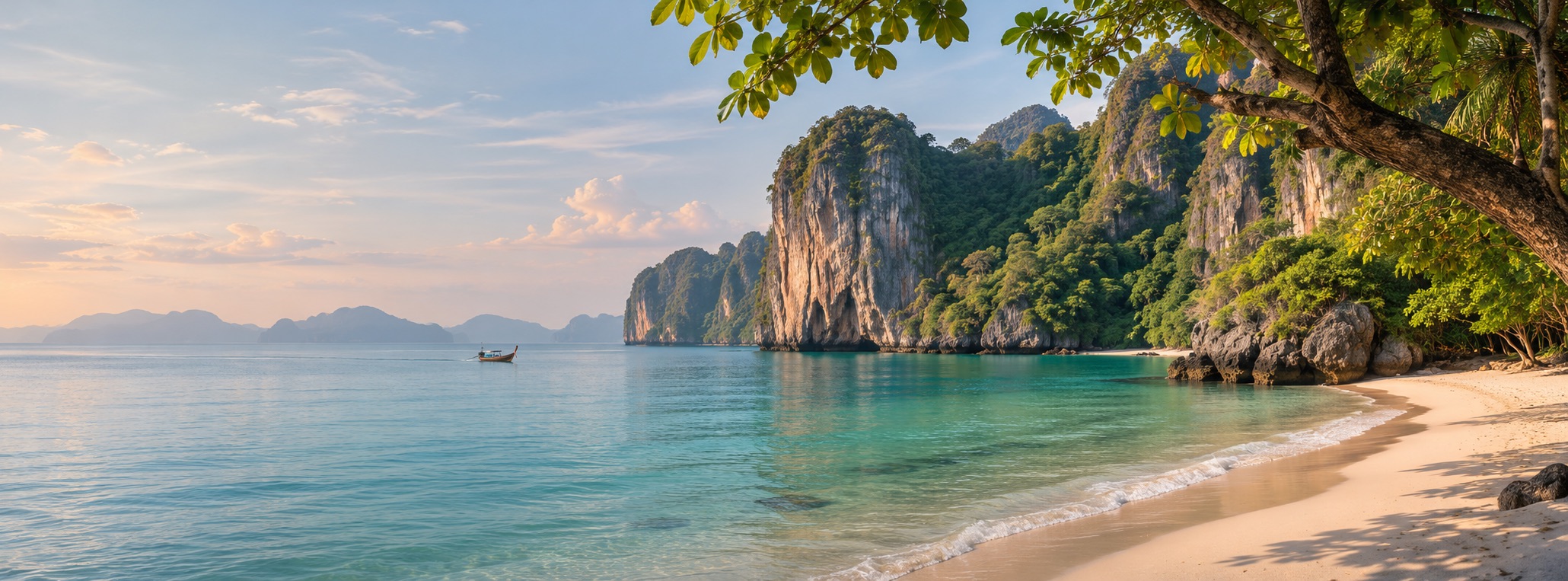
More than a place on the map.
From the first interest in the country,
before choosing a place to live.
Population, dynamics of economy and consumer prices. Indicators refer to specified years; these are statistics of a country or territory, not an estimate of property returns.
Analytics by directionA seasonal guide for the Bangkok area. Average monthly temperatures and precipitation from NASA POWER.
Average precipitation: 0.3…0.7 mm/day.
Average precipitation: 1.6…4.9 mm/day.
Average precipitation: 4.9…5.1 mm/day.
Average precipitation: 1.6…8.4 mm/day.
Ranges of average monthly values for 2001-2025 years: temperature takes into account day and night, precipitation is indicated in mm / day. This is a climate benchmark for a city area, not a forecast or an indicator for the whole country. Season names are conditional: these are calendar groups of months, not the boundaries of the dry or rainy season. The NASA POWER data is averaged over a cell around 0,5° × 0,625°; mountains, coasts and other areas may differ.
Several cultural and natural sites from the UNESCO World Heritage List. The links open the official description of each place.
Articles on the topicUNESCO World Heritage Centre / UNESCO DataHub · CC BY-SA 4.0 · Dataset
Leave your phone number. We will discuss your plans and prepare a personal shortlist.
Street food and cocktails for the equivalent of a 1 dollar, separate rooms for about 10 dollars, and beds in dormitories for even less money – even in the home. Thailand Chiang Mai is known as a particularly accessible destination. It’s easy to stick to a very modest budget and still feel comfortable feeling the rhythm of this city.
If you have an even more limited budget, chiangmae There are also a lot of great free entertainment – in this article we’ll talk about them.
Note: While all the sites and events listed here do not charge a commission, some of them accept (and sometimes expect) small donations or purchases, so be grateful travelers by rewarding organizers and hosts with donations of at least 10-20 baht. It will strengthen your karma!
Most yoga classes in Chiang Mai range from 200 to 300 baht per class depending on the studio, but if you have a limited budget, you can even practice yoga for free. Visit the Yoga in the Park Facebook group to learn about your next free yoga class at the Suan Buak Hat Public Park. Volunteers, travelers and yoga teachers from Chiang Mai hold classes all year round. If you do not have a yoga mat or do not want to put it directly on the ground, you can rent woven mats for 15 Thai baht.
Talk to other language buffs from the Language Exchange Chiang Mai group, which hosts free meetings every Wednesday and Saturday from 19:00 to 22:00 at Cube No. 7. The exchange is not limited to Thai and English; all languages are welcome.
Most temples in Chiang Mai are free to enter, except for particularly popular or revered sites such as Wat Phra That Doi Suthep, Wat Chedi Luang and Wat Sri Suphan. Although admission to these important sites is paid and worth the money, most temples are entirely free. In and around the old town, temples such as Wat Jed Lin, Wat Lok Moli and Wat Duang Di offer very different styles and atmospheres, fewer visitors and no entrance fees. A small donation is nevertheless recommended when visiting a temple, as they rely entirely on donations.
Dancing is probably not the first thing that comes to mind when you think of northern Thailand, but Chiang Mai actually has an active community of people interested in Latin dances that organizes events throughout the week showcasing salsa, bachata and more. This includes free lessons for beginners in a variety of locations, such as every Sunday with 8-11 evenings at One Nimman. Go to 20:00 for a free lesson and then stay there to showcase your new moves on the dance floor.
Located on the north side of the old town right by the road leading through the moat, North Gate Jazz Co-Op hosts a medley of musicians with live music every night, starting with 20:30. Along with jazz, you can also hear a mix of blues, funk and rock. While there’s a chance you’ll be standing on the sidewalk to listen to music (there’s always a lot of people in this place), it’s common politeness to buy at least one cup of tea and, if you like what you hear, tip the band!
Most Thais grow up learning Vipassana meditation, the primary method of the Buddha, making Chiang Mai a hospitable place to begin mindfulness practice. Chiang Mai Holistic offers one free one-hour meditation session each week (along with a plethora of great paid classes), while Hidden House Yoga in the old town typically holds morning meditation sessions based on donations three times a week. Wat Umong Meditation Center offers permanent meditation retreats. Retreats are based on voluntary donations, including accommodation and meals.
One of the shortest and most convenient itineraries you can take on your own is the "Monastic Trail" that leads from the end of Th Suthep to the quaint jungle temple of Wat Palat on the slope of Mount Doi Suthep. The easy forest walk takes about 45 minutes, and its end point offers a beautiful scenic view of Chiang Mai. Since the trail ends at the temple and you may even meet a monk walking, don’t forget to put on modest clothes. Shorts above the knee and tops without sleeves are not suitable for this walk.
Chiang Mai Old Town, founded more than 720 years ago, has a rich history, but you can go even further back in time by visiting the blurry Viang Kum Kam. Less than in 20 minutes south of the city along the Mahe Ping River, Viang Kum Kam was the original Chiang Mai but suffered severe flooding. Today, more 1300 bricks, stone tablets with inscriptions, temple foundations and chedi have been excavated, and visitors can drive through narrow streets to discover small clearings with ancient ruins. If you have your own or rented car, a walk on Viang Kum Kam is free, otherwise you will have to find a driver to take you to the place.
You don’t need to buy anything in one of Chiang Mai’s many markets, but trekking through the markets in Thailand is a bit of fun. There is a well-known Saturday exit market, Sunday market and night market, but the city also has a variety of other markets that come in the morning, afternoon and night.
The student-focused markets around Chiang Mai University are known for cheap clothing and affordable food, and a stroll through one of the city's daily fresh produce markets offers a fascinating introduction to Thai fruits, vegetables, herbs and various edible animal body parts. Only the most squeamish tourists will leave empty-handed.
Monks in saffron robes are common, but interacting with them is actually difficult. Learn more about Buddhism and monastic life at one of the city’s several activities to connect with monks. These events are held in various temples, including daily in Wat Chedi Luang from 9 to 18 hours or on Monday, Wednesday and Friday from 17 to 19 hours in Wat Xuan Doc. It is an opportunity to ask questions, share information, and establish a unique cultural connection. Although technically free, the rule of good etiquette is to make a small donation to the temple to express your appreciation and help keep programs and facilities in working order.
Admission to several smaller galleries around the city, including Gallery Seescape (at Café SS12454372), the Woo Cafe Gallery and the Chiang Mai University Art Center, is free. For more extensive exhibitions, such as at the MAIIAM Museum of Contemporary Art, tickets cost only 150 Thai baht.
Lie down, close your eyes and feel the rejuvenating vibrations of the resonating gong. A charity gong bath designed to help relax the parasympathetic nervous system is held every Friday from 17.15 to 18 during a meeting with monks at Wat Suan Doc Temple. While it is technically free, they also welcome donations.
While some waterfalls are paid, some are still free for visitors, including the conveniently located Huai Keo Falls off the shore of Th Huai Keo at the foot of Doi Suthep. Further to the Bua Tong Falls, better known as "sticky waterfalls" - due to the fact that you can climb the waterfall without slipping - there is also no entrance fee.
It’s no secret that Thai street food is cheap. In Chiang Mai, you can easily find a plate of noodles or a plate of rice with stuffing for just over a 1 dollar - but the Chiang Mai Vegetarian Society sets minimum prices. Located on Th Mahidol, the volunteer-run Buddhist society offers purely vegan Thai cuisine in the dining room with customized meals, juices, smoothies and snacks at a price from 5 baht. Usually some meals or drinks are available completely free of charge, and often all meals are offered for free during major Buddhist holidays.
All of Chiang Mai's festivals - from the wet and wild Songkran to the flashlight-filled Loikrathong - include social events where you can freely wander, watch what is happening. Pratu Tha Phae often serves as a central place of celebration, as does the Three Kings Monument, but ask the locals and you’ll be sure to quickly find places where the festivities take place!
Browse destinations and property listings in the Mavato catalogue.
View propertiesExplore properties for your budget and investment horizon. Discuss potential returns, costs and exit options.
Tell us about your question or plans.

After submitting the form, you will see confirmation that your request has been received.