 Русский
 English
 Español



MAVATO / Thailand
A property shortlist in Thailand
Leave your phone number. We will discuss your plans and prepare a personal shortlist.
 Sign in / Register
Original published Mavato text. Migrated on 07.11.2026; terms must be checked at the time of enquiry.
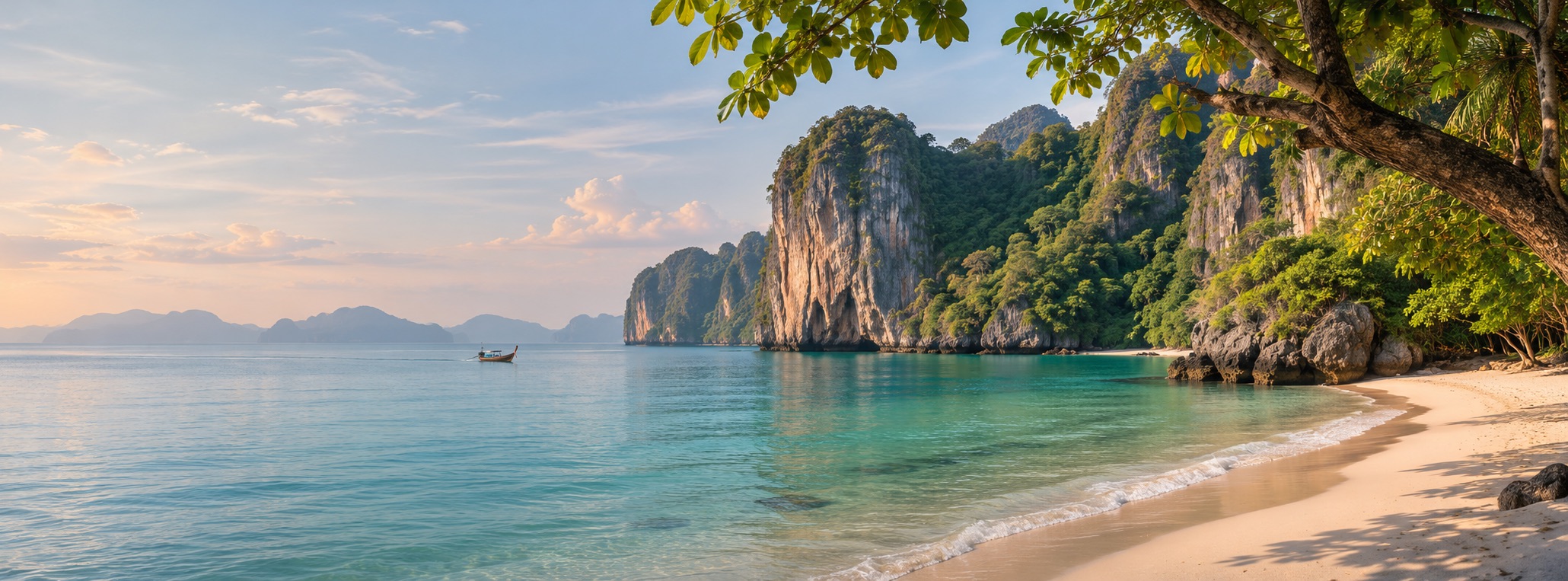
More than a place on the map.
From the first interest in the country,
before choosing a place to live.
Population, dynamics of economy and consumer prices. Indicators refer to specified years; these are statistics of a country or territory, not an estimate of property returns.
Analytics by directionA seasonal guide for the Bangkok area. Average monthly temperatures and precipitation from NASA POWER.
Average precipitation: 0.3…0.7 mm/day.
Average precipitation: 1.6…4.9 mm/day.
Average precipitation: 4.9…5.1 mm/day.
Average precipitation: 1.6…8.4 mm/day.
Ranges of average monthly values for 2001-2025 years: temperature takes into account day and night, precipitation is indicated in mm / day. This is a climate benchmark for a city area, not a forecast or an indicator for the whole country. Season names are conditional: these are calendar groups of months, not the boundaries of the dry or rainy season. The NASA POWER data is averaged over a cell around 0,5° × 0,625°; mountains, coasts and other areas may differ.
Several cultural and natural sites from the UNESCO World Heritage List. The links open the official description of each place.
Articles on the topicUNESCO World Heritage Centre / UNESCO DataHub · CC BY-SA 4.0 · Dataset
Leave your phone number. We will discuss your plans and prepare a personal shortlist.
How? Buy property in Thailand And what form of ownership to choose - a condotel, a corporate residence, the purchase of an apartment through an offshore, land ownership? Read the article on the forms of ownership in Thailand.
Condotels combine hotel services and a condominium legal structure and are ideal for anyone interested in reliable investment opportunities. Investors can purchase individual properties and then rent them out as hotel spaces.
Each owner is usually allocated a certain number of days of use for their device each year (usually from 2 weeks to 1 month). The rest of the time, the property is rented out by the hotel. Please note that the hotel usually operates a resort and rental business.
A condotel usually offers either a guaranteed refund of rent or entry to a rental pool. In the rental pool, all participating owners are required to offer their apartments for rent, then the rental income is "combined" and each owner participates in the profit.
Since the condominium has both a condominium and a hotel license, the apartments can be rented out weekly or even daily. With the rise of Airbnb, the ability to offer short-term rentals represents a huge advantage for foreign investors.
This type of investment property completely belongs to the sphere of luxury real estate. Although branded residences can also be villas, a number of developments in Phuket have been created as luxury condominiums, meaning that the dynamics of ownership of 51% Thais - 49% foreigners should apply. This means that foreigners can buy apartments in branded residences and own them.
When the project is called a luxury hotel chain, investors know exactly what they are buying: designs by world-renowned architects, equipment and finishes of the highest quality, as well as interiors that simply exude luxury.
Branded residences understandably attract wealthy investors. Their property is managed by a resort, including the ability to use a rental pool if they don't live there. In addition, high-quality service is everything you would expect from a chain of 5 star hotels.
While the laws governing condo inheritance in Thailand are favorable to foreigners, you may nonetheless consider buying a condominium through an offshore company.
The British Virgin Islands are a popular choice because of their well-established reputation for reliable management and competitive operating costs.
Buying through an offshore company is ideal for succession planning because companies don’t die. This makes inheritance planning simple and painless because the person controlling the company’s shares actually owns the apartment. Similarly, if you want to sell your apartment, you only need to transfer the shares of the offshore company to the new owner.
Land ownership refers not only to actual plots of land and stone, but also to land houses, townhouses, bungalows or villas – in other words, land with a preserved building standing on it.
Thailand has very well-known laws governing foreign ownership of land, laws that essentially prohibit the transfer of ownership of any land on behalf of a foreigner.
With very, very few exceptions, it's best to take this as a fact: if you're a foreigner, you're not allowed to own land in Thailand.
There are restrictions in Thai law that prevent foreigners from owning land. This includes not only land, but also land houses or villas. Foreigners must recognize that if they try to circumvent the law without proper legal advice, it is fraught with risk.
The usual way to try to circumvent the law is to open a Thai company Ltd for a foreigner. But for everything to be done correctly, the company must run a legitimate business. This means that they generate income and have real Thai shareholders (nominal shareholders are illegal in Thailand). The Thai shareholders they find must be legitimate investors as well as stakeholders who have a say in the future management of the company. A foreigner may not own more than 49% of the shares.
An experienced Thai lawyer will be able to advise you on the best strategy to help your foreign clients owning real estate in Thailand. Please note that if the attorney who will be supporting your work suggests that your client avoid any of the above issues, you will need to find another lawyer.
Leasehold is an arrangement under which you rent a property on a long-term basis from its actual owner, the freeholder. With very few exceptions, foreigners in Thailand who want to own landed property, such as a house or villa, are instead limited to a lease that cannot exceed 30 years.
As a tenant, the foreigner is granted "exclusive ownership" (right of unimpeded ownership), which means that he can use the property as a home or as a rental property for the duration of the lease.
Each lease agreement must be registered with the local Land Office and once this is done, the lease agreement will act as a retention right with respect to title. This effectively makes the legal position of a foreign tenant more secure than that of a foreigner using an illegal Thai company.
Many developers also have provisions in additions to the sale, according to which at the end of the initial lease term, the lease agreement will be extended by two more. 30-year term, which actually makes the lease term 90 years (often referred to as 30 + 30). +30). While under Thai law, these extensions can only be promises, using a reputable developer and experienced lawyer can guarantee a successful renewal.
Another option for foreigners is to own the building itself, but lease the land on which it is located from the owner. The free owner may be an individual or a company (e.g. a developer).
Browse destinations and property listings in the Mavato catalogue.
View propertiesExplore properties for your budget and investment horizon. Discuss potential returns, costs and exit options.
Tell us about your question or plans.

After submitting the form, you will see confirmation that your request has been received.