 Русский
 English
 Español



MAVATO / Thailand
A property shortlist in Thailand
Leave your phone number. We will discuss your plans and prepare a personal shortlist.
 Sign in / Register
Original published Mavato text. Migrated on 07.11.2026; terms must be checked at the time of enquiry.
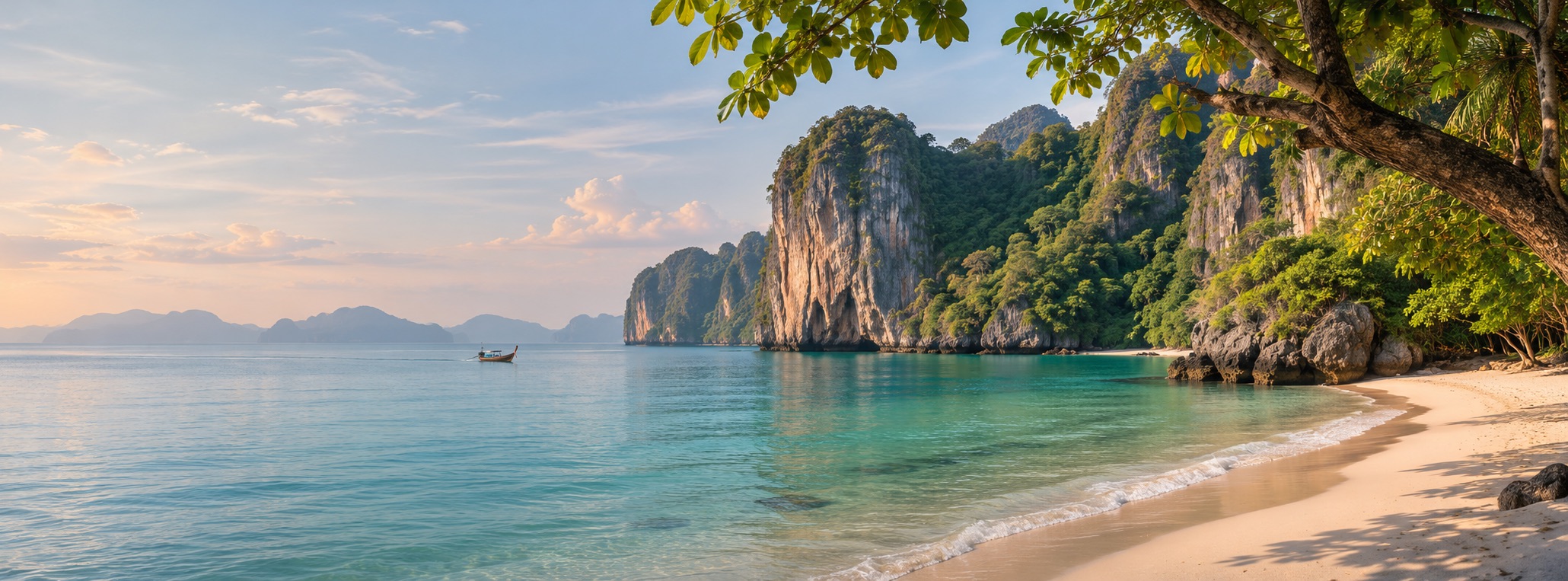
More than a place on the map.
From the first interest in the country,
before choosing a place to live.
Population, dynamics of economy and consumer prices. Indicators refer to specified years; these are statistics of a country or territory, not an estimate of property returns.
Analytics by directionA seasonal guide for the Bangkok area. Average monthly temperatures and precipitation from NASA POWER.
Average precipitation: 0.3…0.7 mm/day.
Average precipitation: 1.6…4.9 mm/day.
Average precipitation: 4.9…5.1 mm/day.
Average precipitation: 1.6…8.4 mm/day.
Ranges of average monthly values for 2001-2025 years: temperature takes into account day and night, precipitation is indicated in mm / day. This is a climate benchmark for a city area, not a forecast or an indicator for the whole country. Season names are conditional: these are calendar groups of months, not the boundaries of the dry or rainy season. The NASA POWER data is averaged over a cell around 0,5° × 0,625°; mountains, coasts and other areas may differ.
Several cultural and natural sites from the UNESCO World Heritage List. The links open the official description of each place.
Articles on the topicUNESCO World Heritage Centre / UNESCO DataHub · CC BY-SA 4.0 · Dataset
Leave your phone number. We will discuss your plans and prepare a personal shortlist.
Once upon a time, riding on the back of an elephant was the quintessential journey through Thailand. In recent years, growing concern for elephant welfare has led to consumer attitudes shifting away from travel and other tourist activities that can be harmful to elephants. So what are the options for travelers in Thailand to ethically admire Asian elephants?
Not so long ago in Thailand, it was hardly possible to turn a corner without seeing a billboard offering elephant rides or shows. But while Thailand is in no hurry to legislate protections for elephant welfare (under Thai law, elephants are still classified as livestock), consumers are now more aware of the negative effects of elephant tourism: systematic abuse of newly captured and captive born Asian elephants required to be “trained” to perform various tricks for tourists, and the physical strain of carrying tourists on their backs for long hours. As a result, many owners of elephant tourist sites have stopped rides and shows and reconsidered their use of bull hooks and other cruel methods of interacting with elephants.
While the moves have been noted by animal welfare experts, Drinha Kenyon of World Animal Protection, who in his elephant-focused travel guide discourages using interactive experiences with elephants, says it's not just travel that can be harmful to elephants - and travelers. “There is still a certain element of control needed to ensure that elephants are in close contact with humans, whether it’s riding horses or bathing elephants,” Kenyon said. Even when elephants are under strict control, they can still be unpredictable.
Armed with this information, it's easy to argue that supporting interactive elephant tourism in Thailand - and throughout Southeast Asia - is not a liability. But the situation is complicated. It is believed that more than half of the 7000 elephants in the country are in captivity – they need to be fed and trained, and financially supported by their riders (traditional carers). After Thailand’s 1989 ban on the use of elephants for deforestation, many riders say that without charging tourists for rides and shows, they and their elephants will starve to death.
Fortunately, the small but growing number of elephant centers now proves that elephant tourism programs can be profitable without putting any pressure on elephants. Here are five examples of high-income elephant tourism sites where elephants can be admired just like elephants.
Opened in 2019 with the support of World Animal Protection, Chang Chill is the first elephant venue in the Chiang Mai area to move from an interactive elephant tourism program (formerly known as Happy Elephant Care Valley) to a “watch-only” model. The day trips begin with a trek into the jungle to watch the six Chang Chill elephants moving through the hilly, jungle-covered area an hour and a half drive southwest of the city. During the day, visitors relax on observation decks while elephants communicate by a gurgling stream, along with a guide who will tell about the natural behavior of elephants.
Good to know.
Day visit (including transfers and lunch): 2500 Thai baht.
Observing the difficulties experienced by elephants working in tourist camps during a trip to Thailand as a teenager, Australian Emily McWilliam returned to Thailand to establish a reserve in 2010 with her Thai partner Berm Rinkau. A half-hour drive southwest of downtown Chiang Mai, structured as a mini-volunteer program, with many hiking walks to watch elephants in between helping with preparing elephant food, building work, planting trees, etc. Pharelas once allowed elephants to be touched, but now they have a hand-off policy.
Good to know.
Full-day visit with lunch (by own transport): 2500 Thai baht; day visit: 6000 Thai baht; three-day visit: 10 200 Thai baht; six-day visit with accommodation: 15 000 Thai baht (all with meals and transfer).
Following the success of the Elephant Valley project in Cambodia, Elephant Valley Thailand, which opened in 2016 in the year, became the first elephant sanctuary in Chiang Rai. Full-day visits are to follow the herd through its daily routine with your personal guide and then spend the day helping with tasks such as planting food or even helping with construction projects. There is also the option of family accommodation, and at the time of writing, Elephant Valley has just launched an "Elephant Safari" in a new reserve nearby.
Good to know.
Full day visit (including transfers and lunch): 2000 Thai baht.
BLES was founded by British woman Catherine Connor in 2007 after a brave elephant named Boon Lott ("survivor" in Thai) inspired her to dedicate her life to raising rescued elephants who retired. Visitors to BLES, located outside the village of Baan Tuek, an hour north of Sukhothai Airport, are involved in every aspect of the nature reserve's life, from harvesting elephant food in the jungle to maintaining pastures.
Good to know.
Overnight day (including transfers and all meals): 6000 baht. Due to its remote location, BLES does not run day tours - most visitors stay for a few days.
At the end of 2019, the Follow Giants project, also supported by the World Animal Protection organization, switched to an observation-only tourism program. During a day visit to this luxurious elephant spot on the island of Koh Lanta, guests watch the elephants on a walk through the jungle and grow treats for thick-skinned animals. After choosing a one-day program, go hiking to the stunning cave and waterfall, and complete your hike with an herbal drink from local herbs.
Good to know.
Full day visit (including transfers and lunch): 3500 Thai baht.
Light clothing (long sleeves/sleeves for overnight stays), sun hat, sunscreen, insect repellent, sturdy shoes, bathing suits if there is a pond on the grounds, and changeable clothing in case you get dirty.
Browse destinations and property listings in the Mavato catalogue.
View propertiesExplore properties for your budget and investment horizon. Discuss potential returns, costs and exit options.
Tell us about your question or plans.

After submitting the form, you will see confirmation that your request has been received.