
 Русский
 English
 Español
Renting your first home in Canada: documents, deposits and a moving budget
Moving becomes easier to plan when you separate monthly spending, move-in funds and a search reserve. Here is how to prepare for renting without Canadian credit history, and why rules in one province do not apply everywhere.
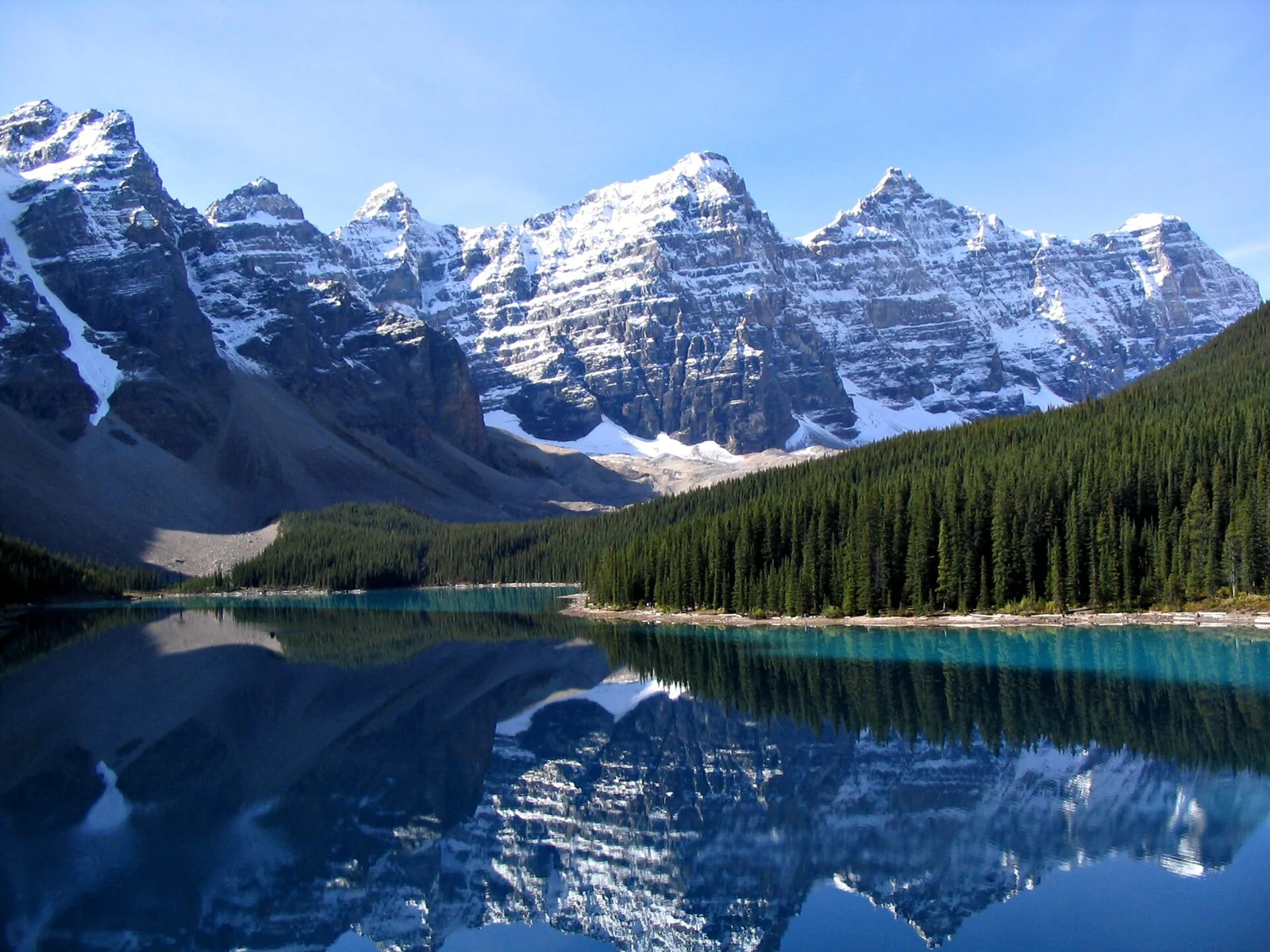
Canada
More than a place on the map.
From the first interest in the country,
before choosing a place to live.
Population and economy
Population, dynamics of economy and consumer prices. Indicators refer to specified years; these are statistics of a country or territory, not an estimate of property returns.
Analytics by directionSources
- World Bank: Population (2025) 2026-11-09
- World Bank: Growth in Real GDP (2025) 2026-11-09
- World Bank: Inflation (2025) 2026-11-09
- World Bank: GDP per capita (2025) 2026-11-09
Climate · Ottawa
A seasonal landmark for the Ottawa City District. Average monthly temperatures and precipitation according to NASA POWER.

Winter
December to February ≈ −11…−7 °C Cold · moderate rainfallAverage precipitation: 2.0…2.6 mm/day.

Spring
March-May ≈ −4…+13 °C Cool · moderate rainfallAverage precipitation: 2.1…2.8 mm/day.

Summer
June-August ≈ +18…+21 °C Warm · high rainfallAverage precipitation: 2.8…3.5 mm/day.
Autumn
September to November ≈ +1…+16 °C Cool · moderate rainfallAverage precipitation: 2.4…3.2 mm/day.
Ranges of average monthly values for 2001-2025 years: temperature takes into account day and night, precipitation is indicated in mm / day. This is a climate benchmark for a city area, not a forecast or an indicator for the whole country. The NASA POWER data is averaged over a cell around 0,5° × 0,625°; mountains, coasts and other areas may differ.
Sources
Places and heritage
Several cultural and natural sites from the UNESCO World Heritage List. The links open the official description of each place.
Articles on the topicSources
- UNESCO: L’Anse aux Meadows National Historic Site 2026-11-09
- UNESCO: Nahanni National Park 2026-11-09
- UNESCO: Dinosaur Provincial Park 2026-11-09
UNESCO World Heritage Centre / UNESCO DataHub · CC BY-SA 4.0 · Dataset
A property shortlist in Canada
Leave your phone number. We will discuss your plans and prepare a personal shortlist.
Choose your first home around immediate needs: reaching work, exploring a permanent neighbourhood and keeping a reserve after moving in. Attractive photos answer only part of the question. This guide provides a practical comparison method. It cannot guarantee a landlord will accept your application or replace provincial rules; discuss disputed lease terms with a local tenant-support service.
Start with the city and your first few months
Write down three conditions that shape your day: maximum travel time, separate sleeping spaces and a place to work. Compare listings within the same scenario. A room with a shared kitchen, a self-contained apartment and temporary furnished accommodation serve different purposes. Keep two lists: suitable homes and an acceptable temporary fallback. This reduces pressure to accept an unsuitable lease simply because your hotel booking ends tomorrow.
What if you have no local credit history?
CMHC explains that missing credit history makes payment reliability harder to assess; a guarantor can be one possible option. Federal guidance also suggests newcomer services if you lack a job, references or Canadian credit history. These are ways to prepare an application, not universal requirements imposed by every landlord.[2] [1]
Prepare a clear application file: income information, a reference contact who has agreed to be contacted, your proposed move-in date and occupants. Ask which evidence the particular landlord needs, and send documents only to a verified recipient. Keep a separate list of unanswered questions. If a guarantor is needed, discuss the scope of their obligations before sharing details, rather than moments before signing.
Screening has limits: the Ontario Human Rights Commission says lack of credit or rental history should not itself be viewed negatively. Its guidance also bars singling out newcomers for guarantor requirements on protected grounds. These statements concern Ontario; consult the relevant authority for another province.[3]
Deposits: three provinces, different rules
For ordinary tenancies covered by the relevant rules, Ontario’s rent deposit covers the final rental period, not damage. In British Columbia, each permitted security or pet-damage deposit is capped at half a month’s rent. Quebec’s TAL prohibits demanding a security deposit and permits advance payment only for the first payment period, up to one month.[4] [5] [6]
Ask for the purpose of each payment to be itemised. Calling a charge a reservation fee does not by itself make it permissible. Check whether the rules cover your accommodation: student residences, tourist stays or living with the owner may have different arrangements. If uncertain, obtain local guidance before paying. A friend’s Vancouver experience should not automatically determine your approach to a Montreal apartment.
How to compare the budget for two homes
Separate monthly spending from funds required before your first night in the home. Canada’s financial consumer agency identifies potential costs including utilities, communications, parking, moving, furnishings and tenant insurance. Separate charges depend on the lease. Compare the same period and currency: monthly Canadian-dollar amounts, with one-off expenses listed separately.[7]
Illustrative example, not market pricing: home A rents for CAD 1,900, with another CAD 350 for separate bills and travel. Home B costs CAD 2,050 plus CAD 150 for the same categories. Monthly totals are CAD 2,250 and CAD 2,200: B saves CAD 600 over twelve months. Then add actual move-in and furniture costs, which may change the choice for a short stay.
At the viewing, test the daily routine as well as the interior
Keep a short observation sheet for each address. Time the walk from the front door to transit, imagine carrying groceries, and assess storage for clothes, luggage and a desk. Ask which furniture stays, where laundry is located and how deliveries work. Take photos with permission and record answers immediately. After several viewings, it is easy to confuse a promise about one apartment with a condition attached to another.
Before payment and when collecting the keys
WelcomeBC recommends signing the lease before giving money to the landlord. Cross-check the address, contracting party, representative’s authority and payment recipient. Resolve inconsistent documents before paying. Keep the signed agreement and payment confirmation together. Urgency, a polished presentation or numerous photos do not establish that a person has authority to rent out the home.[8]
On move-in day, compare the home with the agreement: keys, furniture, surfaces and working equipment. Record discrepancies and send them to management in writing, keeping a copy. British Columbia has specific move-in inspection requirements; check local procedures elsewhere. Personal photos help document condition but do not replace a required process or an agreed inspection report.[9]
When to move from renting to planning a purchase
Use your first months to record actual travel time, unexpected expenses and what the neighbourhood lacks. This is more useful for a later decision than a generic best-places list. If you plan to buy, separately verify eligibility for your status and current restrictions. Being able to rent an apartment does not establish a right to purchase it.
For your next step, explore the Canada destination page and prepare questions for a property consultant. Specify the city, moving date and budget; a selection depends on your needs and actual availability.
Sources and periods of data
- Canada.ca — renting for newcomers Accessed: 2026-11-17
- CMHC — credit checks Accessed: 2026-11-17
- Ontario commission — human rights in housing Accessed: 2026-11-17
- Ontario — standard lease guide Accessed: 2026-11-17
- British Columbia — tenancy agreements Accessed: 2026-11-17
- TAL — paying rent in Quebec Accessed: 2026-11-17
- Financial Consumer Agency of Canada — renting costs Accessed: 2026-11-17
- WelcomeBC — finding housing Accessed: 2026-11-17
- British Columbia — move-in inspection Accessed: 2026-11-17
Image adapted in size and framing
